 Sports play a major role in education, helping students stay active while learning life lessons that last far beyond the field or court. When comparing team sports vs individual sports, each offers unique benefits and challenges that educators can use to shape student growth.
Team Sports vs Individual Sports
-
Team sports rely on cooperation. Players communicate, trust each other, and share responsibility for success or failure.
-
Individual sports put the focus on personal effort. Athletes rely on their own discipline and training to achieve results.
Both approaches build valuable skills, but they do so in different ways that can complement each other in school programs.
Individual Sports
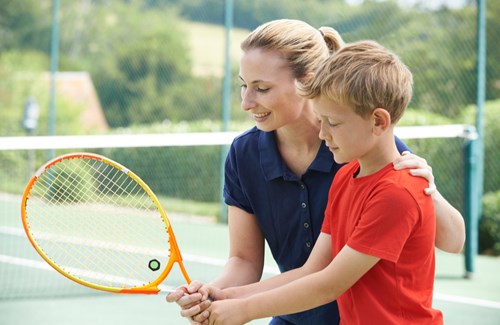
Individual sports focus on personal effort and accountability. Athletes train to reach their own goals, relying on themselves to succeed. For teachers and coaches, solo sports make it possible to give more personalized guidance, helping students strengthen weaknesses and build confidence. Sports like swimming, tennis, wrestling, track, golf, archery, and weightlifting are all popular examples that encourage independence while keeping costs lower for schools than many team programs.
Advantages of Individual Sports
Participating in individual sports builds discipline and independence. Students learn how to set goals, manage stress, and push themselves to achieve results. Research from the CDC shows that regular physical activity supports better mental health and focus, which adds value for students competing in solo activities. Teachers also gain the chance to work one-on-one with athletes, offering direct feedback and helping them improve decision-making and organizational skills.
Disadvantages of Individual Sports
Solo competition can feel isolating. Athletes carry the full weight of wins and losses, which can be discouraging without teammates to lean on. According to the Northern Spinal and Sports Injury Clinic, setbacks in individual sports can feel more personal and challenging to overcome.
Team Sports
Team sports bring students together to work toward shared goals. Soccer remains the most popular team sport worldwide, while basketball, baseball, softball, football, and track relays continue to dominate school athletics in the U.S. Students often enjoy the sense of community these sports provide, making them one of the most effective ways to build social skills and teamwork.
Advantages of Team Sports
Team competition teaches students cooperation, leadership, and empathy. Players learn to value one another’s contributions and celebrate group accomplishments. The Aspen Institute’s Project Play reports that more than half of U.S. children ages 6–12 regularly play team sports, highlighting their role in youth development. For many students, the social environment makes sports more enjoyable and engaging.
Disadvantages of Team Sports
Because of the number of players on the field or court, team sports can carry a higher risk of injury. Coaches also have less time to give each athlete personal attention, and competition for individual recognition sometimes creates tension within the group.
The Fresno Pacific Teaching Individual Sports Course
Fresno Pacific University offers a Teaching Individual Sports course that helps K–12 educators bring the benefits of solo sports into the classroom. This graduate-level course is designed for teachers who want to promote participation, build fitness, and align lessons with national standards.
Educators in the course learn to create safe practice routines, select the proper attire and equipment, design conditioning exercises, and apply sports history and rules in lesson planning. The self-paced format allows up to one year for completion. Participants earn graduate-level credit while developing strategies to keep students active and motivated. The course is part of Fresno Pacific’s continuing education program for teachers, which includes additional options in physical education and fitness.
FAQ: Team Sports vs Individual Sports
Which is better for students, team or individual sports?
Neither is strictly “better.” Team sports build cooperation, leadership, and social skills, while individual sports strengthen self-discipline, resilience, and personal accountability. A balanced program that offers both gives students the widest benefits.
What life skills do students gain from individual sports?
Solo sports help students set personal goals, manage stress, and take responsibility for their progress. These skills transfer into the classroom, where students must stay organized and motivated on their own.
What are the disadvantages of individual sports in schools?
The biggest challenge is isolation. Without teammates, some students feel discouraged after a loss. Teachers and coaches play a key role in encouraging persistence and helping students manage setbacks in a healthy way.
Are team sports more expensive than individual sports?
Yes. Team sports often require larger facilities, uniforms, and more equipment. Individual sports like running, tennis, or swimming are generally easier for schools to offer on a smaller budget.
How does Fresno Pacific’s Teaching Individual Sports course help educators?
Educators learn how to design and teach individual sports units that keep students engaged and active. The course covers history, rules, conditioning, proper equipment, and how to align lessons with national standards.