sylabiUrl: /media/e5jd3dfw/sed-909.pdf
syllabusPDFNodeSet: True
lastCourseSync: 9/1/2026 9:03:00 AM
lastSessionSync: 9/1/2026 9:03:00 AM
lastPDFSync: 9/24/2026 3:43:40 PM
syllabusPDFNodeSet: True | sylabiUrl: /media/e5jd3dfw/sed-909.pdf
Special Education Assessment Process
Students learn about the identification process under the Individuals with Disabilities Education Act known as child find including the identification of children in private schools. Students learn how to read a psycho-educational report and how to write SMART individualized education plans, individualized service plans, individualized transition plans, and individualized family service plans.
NOTE: Required book must be acquired separately.
This course is applicable towards the Exceptional Children Certificate.
More courses that may interest you:
SED-907
Response to Intervention (RTI) / Multi-Tiered Systems of Support (MTSS)
This course introduces the practice of Response to Intervention (RTI), and how it identifies challenging behavior and students at risk for poor learning outcomes. Students will also learn about RTI's ...
MAT-919
Early Number Concepts (PreK-1)
This course is a standards-based methods course that offers Pre-School and Primary grade teachers a guide for designing a learning experience for their students which focuses on counting, comparing, a...
EDUC-928
Whole Student Education for Social Emotional Learning
Educators- teachers, administrators, counselors and coaches (K-12) -are often feeling pushed to their personal and professional limits as they strive to meet the complex demands of their roles. This c...
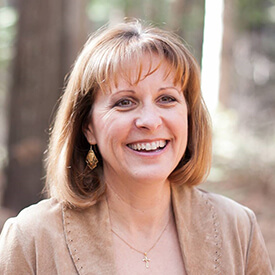
Dr. Julie Lane
Instructor
As an educator, I find great value in collaborating and consulting with community members, especially key constituencies in the educational process, including parents, teachers, school leaders, and their advocacy organizations, plus businesses, government entities, and nonprofit organizations with educational interests. Each has a contribution to make and is benefitted in helping to raise a child. In today’s world of multiple obligations, expectations, hazards, and uncertainties, children need to be guided and supported in the communities where they live and go to school. Moreover, building collaborative relationships and empowering community members creates networks of support that help children to recognize their value in facing the challenges of life.