sylabiUrl: /media/kbbpqfl2/sed-902n.pdf
syllabusPDFNodeSet: True
lastCourseSync: 9/30/2024 8:00:00 AM
lastSessionSync: 9/30/2024 8:00:00 AM
lastPDFSync: 9/23/2026 8:14:01 PM
syllabusPDFNodeSet: True | sylabiUrl: /media/kbbpqfl2/sed-902n.pdf
Public Law, Private Schools, & Special Education
Students learn about the identification process under the Individuals with Disabilities Education Act, including the identification of children in private schools. Students learn how to read a psycho-educational report and how to write SMART individualized education plans, individualized service plans, individualized transition plans, and individualized family service plans.
NOTE: Required textbook must be acquired separately.
This course is applicable towards the Exceptional Children Certificate.
More courses that may interest you:
SED-903
Adapted Physical Education: Inclusive Games and Sports
This course assists teachers in modifying sports, games, and physical activities to make them appropriate for a person with a disability. There is a curriculum guide which evolved to assist teachers t...
SED-906
Cultural Reciprocity in Special Education
Students will learn about building family-professional relationships. Students will discover how special education is a culture in and of itself while understanding how special education law is in cul...
EDUC-924
Mentoring New Teachers
According to educator Rick Smith, being a new teacher is like trying to fly a plane while building it. If you've ever been a first-year teacher, you know exactly what that means. There are times y...
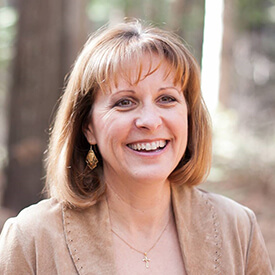
Dr. Julie Lane
Instructor
As an educator, I find great value in collaborating and consulting with community members, especially key constituencies in the educational process, including parents, teachers, school leaders, and their advocacy organizations, plus businesses, government entities, and nonprofit organizations with educational interests. Each has a contribution to make and is benefitted in helping to raise a child. In today’s world of multiple obligations, expectations, hazards, and uncertainties, children need to be guided and supported in the communities where they live and go to school. Moreover, building collaborative relationships and empowering community members creates networks of support that help children to recognize their value in facing the challenges of life.