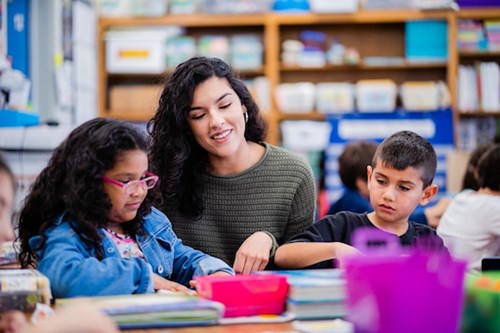
Politicians and pontificators can wage public battles over diversity, but teachers deal with reality. And in today’s classrooms, there is no denying that educators must find ways to guide students from varied cultural, linguistic and ability backgrounds. To meet this challenge, teachers must develop and use inclusive classroom strategies.
These methods acknowledge diversity while also harnessing it as a strength. By thoughtfully integrating these practices into every aspect of instruction, educators create classrooms where every student feels valued and supported.
These skills apply in every type of classroom, from mathematics to multicultural literature. Whatever the class subject, these strategies foster a sense of belonging that empowers all learners.
Cultural Responsiveness
Culturally responsive teaching affirms students’ cultural and linguistic experiences, utilizing them as assets in the learning process. This approach validates diverse heritages while empowering learners academically and personally.
Offering multiple entry points for engagement, culturally responsive teaching connects new content to students' existing knowledge, making learning more relevant and meaningful. When students see their identities reflected in curriculum materials and discussions, they’re more likely to feel included and motivated.
Universal Design for Learning
Universal Design for Learning (UDL) is a framework that guides the creation of inclusive classroom strategies and course curriculum by providing multiple means of representation, engagement and expression. Through UDL, teachers offer varied ways for students to access information (such as text, audio and visuals), demonstrate learning (through writing, speaking and multimedia) and stay motivated (with concepts such as choice and relevance). This flexibility supports learners with diverse needs, including those with disabilities.
Differentiated Instruction
Differentiated instruction is another vital inclusive classroom strategy that enables educators to adjust content, process, product and learning environment to meet the individual needs of students.
For example, teachers might use pre‑assessments to group students by readiness level, offer choice in how students demonstrate mastery or design lessons that reflect learners’ interests and language abilities. This adaptive approach ensures that all students, regardless of background or skill level, can access the curriculum and engage meaningfully.
Inclusive Classroom Practices
Establishing inclusive classrooms goes beyond instructional design. It involves building community and structure. Cooperative models, such as co-teaching (where general and special education teachers work together), help support students with disabilities within the general education setting. Other inclusive practices include intentionally grouping diverse learners, setting clear norms, creating calming spaces and encouraging peer support.
Why Inclusive Classrooms Are Important
Inclusive classrooms are essential because they ensure that every student has access to learning. By intentionally designing lessons that address diverse needs, educators remove barriers to student engagement. This supports academic success and nurtures students’ social and emotional development.
When classrooms embrace diversity, they prepare students for a world where collaboration across differences is a necessity. Inclusive learning environments encourage critical thinking, cultural awareness and problem-solving skills that benefit all learners. They also foster a sense of belonging, which research shows is closely linked to higher engagement, better behavior and improved academic outcomes.
How FPU’s Professional Development Courses Equip Educators
Fresno Pacific University’s online professional development courses for teachers are designed to empower educators with practical, evidence-based inclusive classroom strategies. Through courses available via their Continuing Education platform, FPU provides teachers with tools to implement UDL, culturally responsive teaching, differentiated instruction, collaborative classroom models and much more.
These courses and certificate programs offer educators the flexibility to expand their knowledge and earn graduate-level professional development credits. Each features downloadable resources, case studies and peer collaboration targeted to help educators.
Educators who complete these courses are equipped not only with theoretical frameworks but with classroom-ready lesson plans, assessment tools and community connections to sustain continuous improvement.