sylabiUrl: /media/4ddda0ff/sed-904.pdf
syllabusPDFNodeSet: True
lastCourseSync: 3/1/2026 4:33:00 AM
lastSessionSync: 3/1/2026 4:33:00 AM
lastPDFSync: 3/26/2026 1:45:30 AM
syllabusPDFNodeSet: True | sylabiUrl: /media/4ddda0ff/sed-904.pdf
Special Education Law and Ethics
Candidates will demonstrate in-depth understanding of students' and parents' legal rights and responsibilities regarding special education. Federal laws regarding special education and state laws specific to each student will be discussed. The Council for Exceptional Children's Code of Ethics will be examined and discussed.
NOTE: Required books must be acquired separately.
This course is applicable towards the Exceptional Children Certificate.
More courses that may interest you:
SED-909
Special Education Assessment Process
Students learn about the identification process under the Individuals with Disabilities Education Act known as child find including the identification of children in private schools. Students learn ho...
SED-901
High Incidence Disabilities
In this course you will be provided with an overview of the most common disabilities found in private and public schools: learning disabilities, other health impairments - AD/HD, asthma, diabetes ...
EDUC-902
Address Bullying & Aggression for SEL
This course is designed to strengthen participants' awareness and response to students who are victims of violence and aggression in our schools, as well as students who respond to conflicts and diffi...
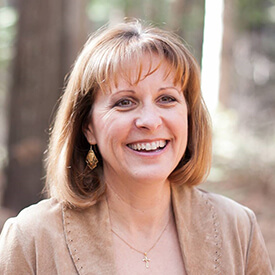
Dr. Julie Lane
Instructor
As an educator, I find great value in collaborating and consulting with community members, especially key constituencies in the educational process, including parents, teachers, school leaders, and their advocacy organizations, plus businesses, government entities, and nonprofit organizations with educational interests. Each has a contribution to make and is benefitted in helping to raise a child. In today’s world of multiple obligations, expectations, hazards, and uncertainties, children need to be guided and supported in the communities where they live and go to school. Moreover, building collaborative relationships and empowering community members creates networks of support that help children to recognize their value in facing the challenges of life.